Understanding Trigger Finger: Causes and Treatment Options in Singapore
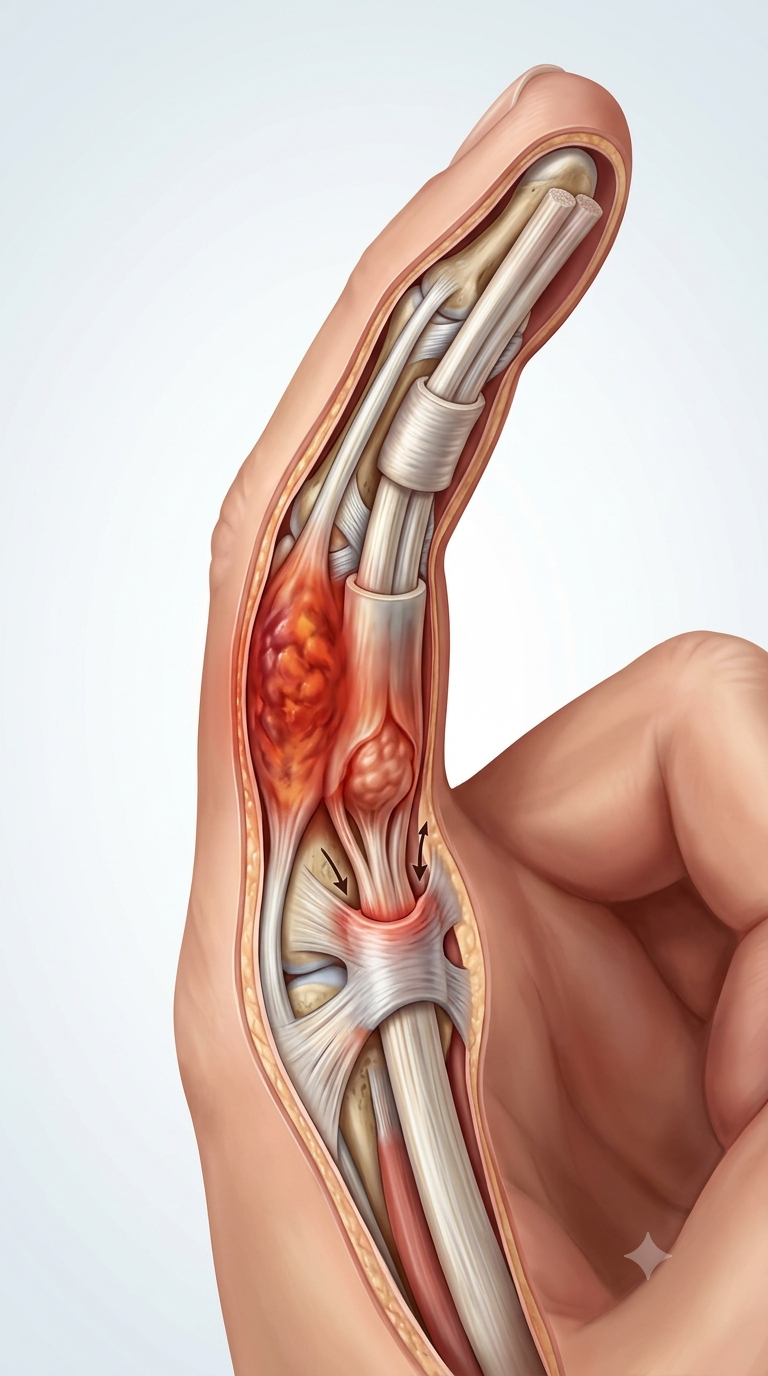
Stenosing tenosynovitis, commonly known as trigger finger, is a frequent hand condition encountered in family medicine. It occurs when a finger or thumb becomes stuck in a bent position and then snaps straight, resembling the pull and release of a trigger.
For individuals experiencing this condition, daily tasks can become challenging. Understanding the underlying pathology and knowing when to seek a medical evaluation are key steps toward managing the symptoms effectively.
Clinical Symptoms of Trigger Finger
Trigger finger often presents gradually, starting with mild discomfort at the base of the digit, and can progress over time. Common clinical indicators include:
- Tenderness or a Nodule: A small, sensitive nodule or swelling may be felt in the palm at the base of the affected finger.
- Clicking or Popping: A palpable or audible catching sensation during movement of the digit.
- Finger Stiffness: Difficulty extending the finger fully, which is often more pronounced in the morning.
- Locking: In more advanced stages, the finger can become locked in a bent position, sometimes requiring manual assistance to straighten.
This condition can affect any digit, including the thumb, and may present in multiple fingers simultaneously.
What Causes Trigger Finger?
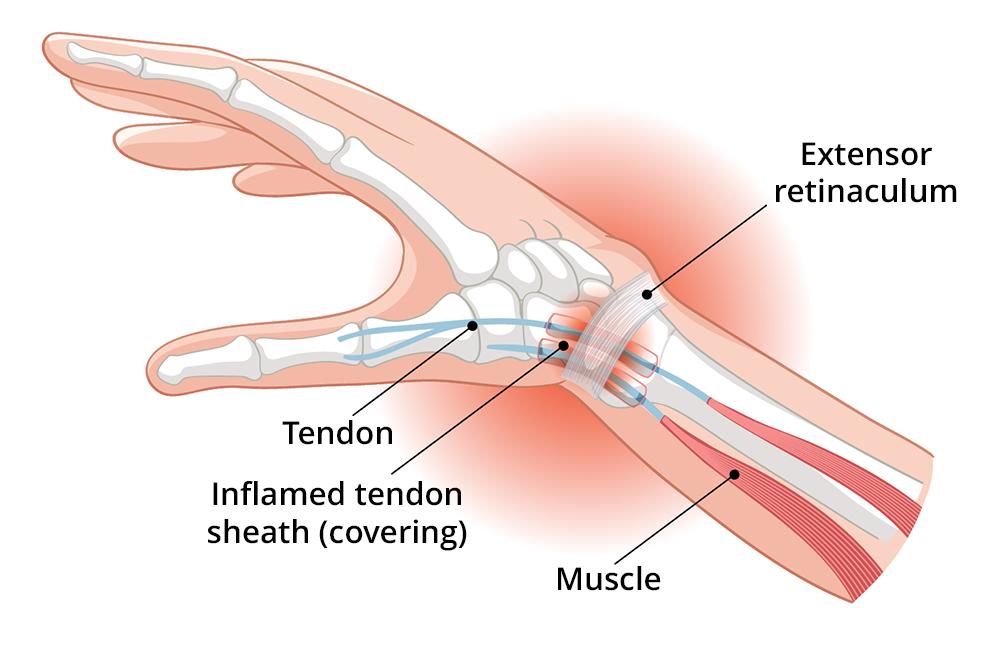
The movement of your fingers relies on tendons that connect forearm muscles to the bones of the hand. These tendons glide through a protective tunnel known as a tendon sheath.
When repetitive gripping, prolonged hand strain, or microtrauma occurs, the tendon or its sheath can become inflamed and swollen. This narrowing of the space prevents smooth movement. The tendon can develop a small nodule that catches on the entrance of the sheath (the A1 pulley), resulting in the characteristic snapping sensation.
Common Risk Factors
- Repetitive Hand Use: Occupations or hobbies requiring repetitive gripping or prolonged tool handling.
- Co-existing Medical Conditions: Higher incidence rates are observed in individuals with diabetes mellitus, rheumatoid arthritis, or gout.
- Demographics: The condition is more frequently diagnosed in individuals aged between 40 and 60, and is more common in women.
Clinical Treatment Options at Gryphon Medical
Medical management depends on the severity and duration of the symptoms. At Gryphon Medical, a clinical assessment is conducted to determine the most appropriate pathway for your condition.
1. Conservative Management (Early Stages)
For mild or early-stage symptoms, conservative strategies focus on reducing inflammation naturally:
- Rest: Modifying activities to avoid repetitive gripping or pinching.
- Splinting: Utilizing a custom finger splint, particularly at night, to keep the digit in an extended position and rest the tendon.
2. Corticosteroid Injections
For moderate to severe cases where the finger is persistently catching or locking, corticosteroid injections are a widely recognized non-surgical option available at our clinic.
- Mechanism: A localized corticosteroid injection is administered directly into the affected tendon sheath.
- Clinical Effect: The corticosteroid delivers a targeted anti-inflammatory effect, reducing the swelling of the tendon. This restores the space within the sheath, allowing the tendon to glide smoothly again.
- Efficacy: This minor clinical procedure takes only a few minutes. Many patients experience significant reduction in symptoms within a few days, which can last for several months or lead to complete resolution.
3. Minor Surgical Release
In chronic cases where conservative measures or injections do not provide long-term relief, surgical intervention may be considered.
- Procedure: A minor surgical procedure (trigger finger release) can be performed under local anesthesia. The physician makes a small incision to divide the constricted portion of the tendon sheath, widening the tunnel to allow free tendon movement.
Clinical Overview of Treatment Pathways
| Clinical Severity | Typical Presentation | Management Options | Expected Outcome |
| Mild | Mild stiffness, occasional clicking | Activity modification, splinting, oral anti-inflammatories | Gradual symptom relief |
| Moderate to Severe | Frequent catching, painful snapping, or intermittent locking | Targeted Corticosteroid Injection | Reduction of inflammation and restored mobility within days |
| Chronic / Fixed | Digit is permanently locked in a bent position | Evaluation for Minor Surgical Release | Surgical widening of the sheath for permanent movement |
Consulting a Doctor
Ignoring early signs like clicking or stiffness can lead to chronic thickening of the tendon over time. Early medical intervention often allows for effective management using non-surgical options like corticosteroid injections.
If you are experiencing symptoms of trigger finger, you may visit Gryphon Medical at our Bedok clinic for a professional clinical evaluation.
Need an evaluation for finger stiffness? Please contact Gryphon Medical to book a consultation with our medical practitioners at our Bedok clinic.